How to Sell an Experience (Not Just a Ticket)
There is a version of live events marketing that is entirely focused on the transaction.
Get the ad in front of the right person. Drive them to the booking page. Convert the click. Move on to the next campaign. It is efficient on paper. But eventually it underperforms.
Here is why. The thing you are selling, a theatre production, a festival, an immersive experience, a visitor attraction, a live gig, is not a product that sits on a shelf waiting to be picked up. It is something that happens once, in a place, at a time, and then it is gone. The value is not in the item. The value is in the feeling. And you cannot put a feeling in a shopping basket.
That is a different kind of marketing. This is how it works.
THE TICKET IS NOT THE PRODUCT
This sounds obvious when you say it out loud. But look at how most live experience marketing actually communicates and you will see a different story.
Date. Time. Venue. Price. Book now.
That is ticketing information. It is necessary. It is not sufficient.
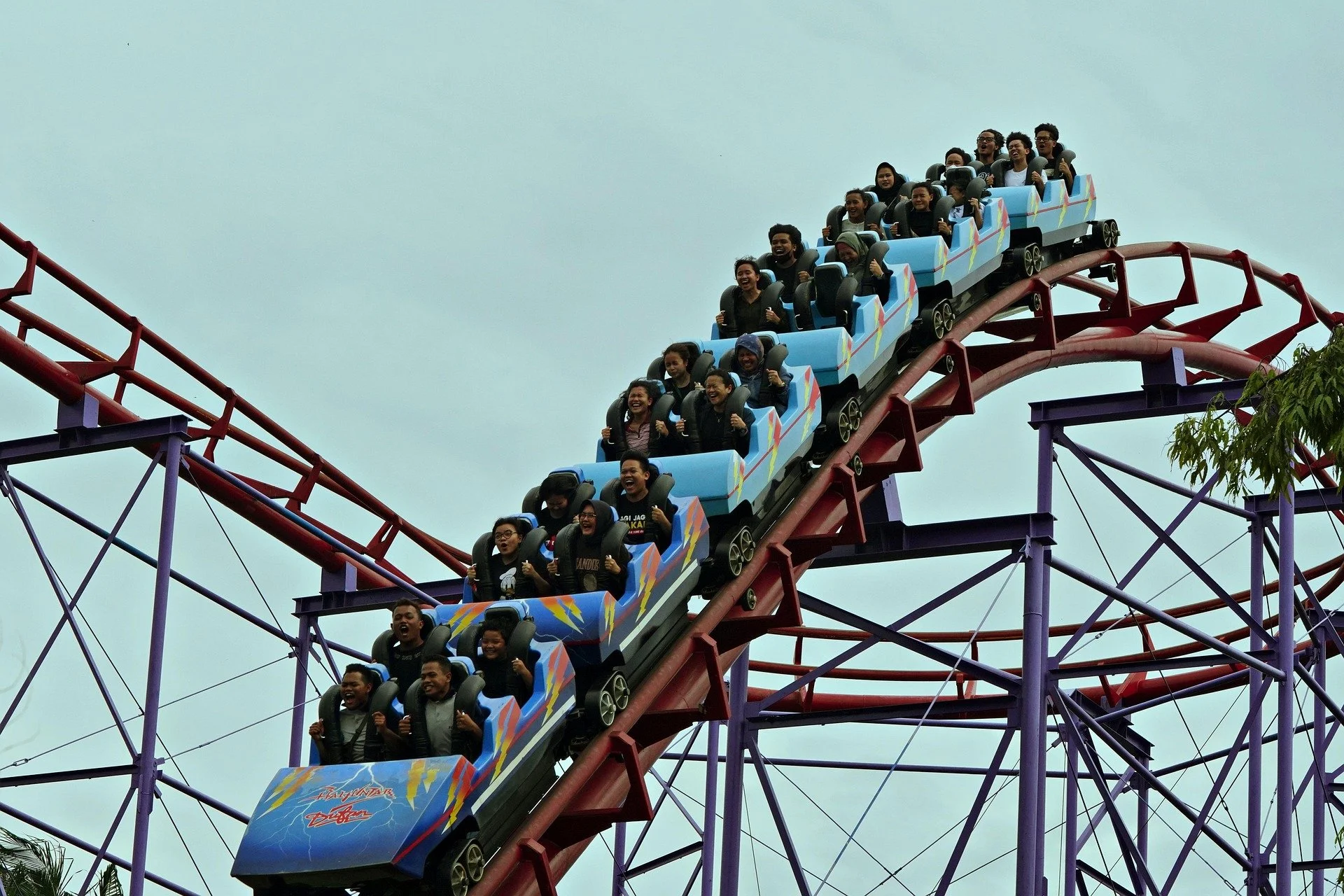
What you are really selling is something much harder to describe and much more powerful to communicate: how it will feel to be there. The shared anticipation of going somewhere with someone you care about. The story you will tell afterwards. The thing you will remember long after the price has been forgotten.
The experience economy is built on this. Research consistently shows that people derive more lasting satisfaction from experiences than from things, but only when those experiences deliver on their emotional promise. Your marketing job is to make that promise credible, vivid and specific enough that the person on the other side of the screen can already imagine being there.
UNDERSTAND THE DECISION YOU ARE ACTUALLY INFLUENCING
The decision to attend a live experience is different from most purchase decisions.
It is rarely made by one person. Most bookings involve at least two people, which means your marketing needs to spark a conversation, not just reach an individual. You are not persuading a single buyer. You are giving someone the language, the reason and the confidence to turn to someone else and say: we should go to this.
The decision also carries emotional weight that most purchases do not. Choosing to spend an evening, a day or a weekend on a live experience is a statement about what you value and who you want to spend time with. That is why price sensitivity in this sector is not rational. People will pay more for something that feels right than for something that merely looks affordable.
And the decision window is often long. Someone might hear about an event months before they book. They might follow it on social media, read a review, see a friend post about it, and only then feel ready to commit. The consideration cycle in the experience economy is not a funnel. It is a slow accumulation of trust, curiosity and desire.
Your marketing needs to work across all of that. Not just at the moment of sale.
SELL THE FEELING FIRST
Every live experience has a functional description and an emotional truth. The functional description tells people what it is. The emotional truth is why they will want to be there.
Functional: A 90-minute immersive theatre experience set in a disused Victorian warehouse, running Thursday to Sunday.
Emotional truth: The feeling of stepping completely out of your ordinary life for an evening, of being genuinely surprised, of having something to talk about for weeks.
Both are real. Both have a place in your marketing. But they do not carry equal weight, and they do not belong in the same places.
The emotional truth belongs at the front, in your headline, your first social post, your email subject line, your outdoor creative. That is what stops the scroll. That is what makes someone lean forward.
The functional description converts. Once someone is interested, they need the practical details to commit. Date, venue, duration, price, what to expect. But those details only matter to someone who already wants to go.
Most experience marketing has this backwards. It leads with the what and never quite gets to the why. Flip it. Start with the feeling. Earn the transaction.
DESIGN FOR THE GROUP DECISION
Because most bookings involve more than one person, your marketing needs to make it easy for your audience to do your selling for you.
This is not a vague point about word of mouth. It is a specific and practical design challenge.
When someone sees your campaign and thinks this looks good, what happens next? Do they have something easy to share? Is there a social asset that lands in a chat without needing explanation? Is there a hook, a concept, a visual, that is genuinely conversation-starting? Is your booking page simple enough that forwarding the link to a friend results in a booking rather than confusion?
The social dimension of a live experience purchase is one of the most powerful commercial levers available to you. Most marketing teams acknowledge it and then fail to design for it. They treat social media as a distribution channel rather than as the actual mechanism through which group decisions get made.
Think about your campaign from the perspective of the person who has just decided they want to go but has not yet got the group to commit. What do they need from you? Make that easy to find and easy to share.
USE SCARCITY HONESTLY
You have something genuinely scarce to offer. A finite number of seats, slots or spaces. A hard close date after which the experience no longer exists. That is real urgency — and it is one of the most powerful things about marketing in this sector.
Real scarcity does not need to be manufactured. It needs to be communicated clearly and honestly.
When 80% of capacity is sold, say so. When a specific performance date is nearly gone, say that. When early booking genuinely benefits the audience, better seats, a lower price, a longer runway to plan, make that case plainly and specifically.
What erodes this is false urgency. Countdown timers that reset. Scarcity language applied to events that are nowhere near capacity. "Last chance" emails sent three weeks before the actual close. Audiences in the experience sector are perceptive and they are experienced buyers. They notice when urgency is performed rather than real. And they adjust their behaviour accordingly, learning to wait, to discount your communications, to book later rather than sooner.
Communicate scarcity when it is true. Do not reach for it when it is not. The trust it buys you over time is worth more than the short-term conversion it generates when overused.
EXTEND THE ARC BEFORE AND AFTER
The emotional experience of attending something does not begin at the door and end when the lights come up.
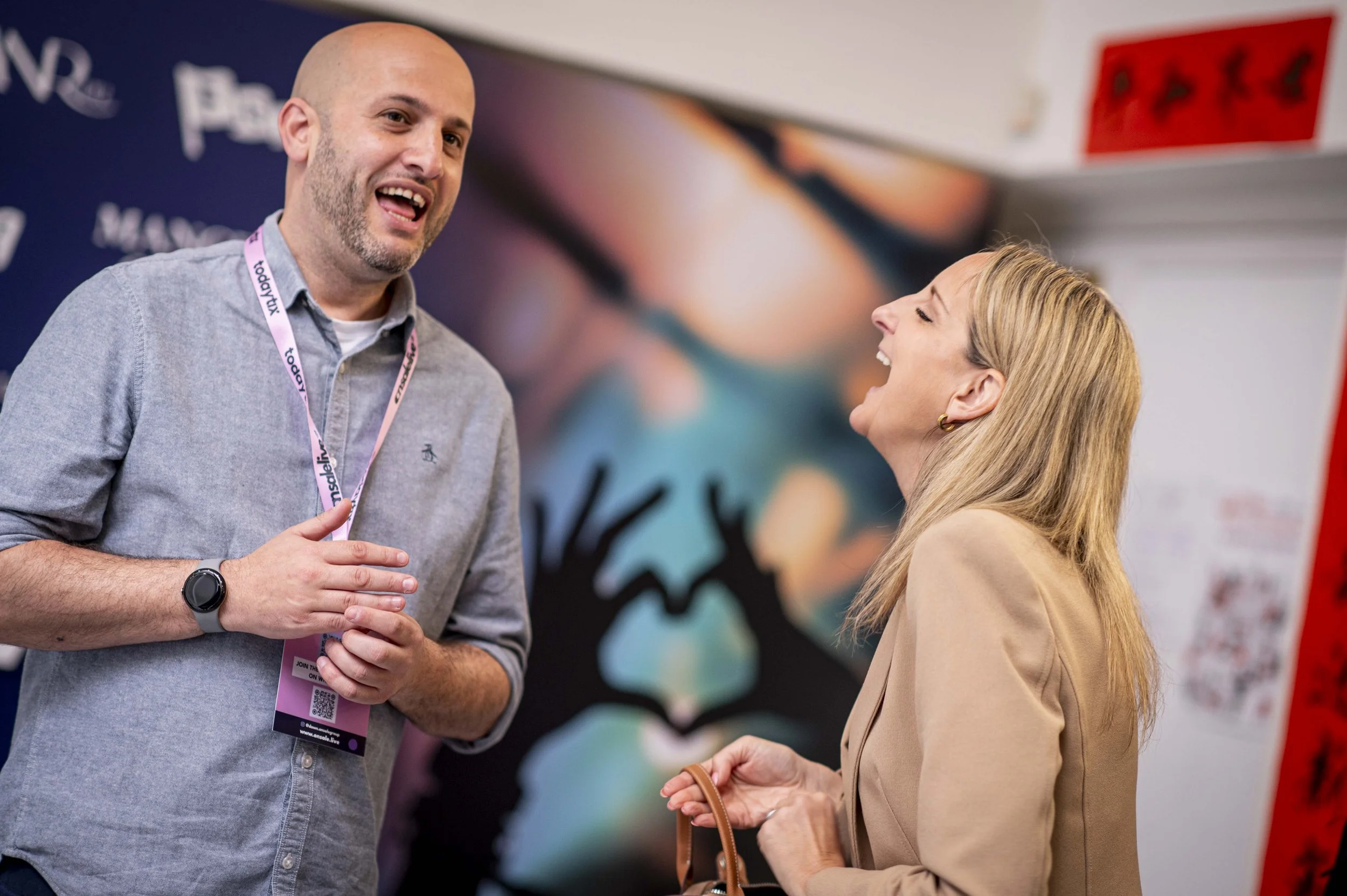
It starts earlier, with the first awareness, the growing anticipation, the conversation with a friend, the choosing of what to wear, the booking confirmation email that makes the evening feel real.
It continues after, through conversation, through memory, through the photograph posted three days later, through the recommendation made to a colleague six months on.
Marketing that understands this arc does not just push towards the transaction. It invests in the before and the after, because those are where the real brand-building happens.
Before the event: build anticipation, not just awareness. Give your audience something to look forward to. Let them into the world of the experience before they arrive. Seed excitement in the communities that matter to you. Make the booking feel like the beginning of something, not the end of a decision.
After the event: give people a reason and a way to talk about it. Make it easy for them to share, to review, to recommend. The audience member who tells three friends is worth more to your long-term business than the one who attends and disappears.
The experiences that build lasting audiences are the ones that treat every attendee as a future ambassador, not a completed transaction.
What This Means for Your Campaign Planning
If you are planning a campaign for a live experience, run it through these questions before you sign off on the brief:
Does our creative communicate the feeling, or just the facts? If someone saw this campaign and had no prior knowledge of the experience, would they understand why they should want to be there? Not just what it is, why they should care.
Have we made the group decision easy? Is there something in this campaign that travels well, that a person can share in a chat and have land properly without needing three follow-up messages to explain it?
Are we building demand before the on sale opens? If the first time your audience hears about this experience is when tickets go on sale, you are starting from scratch. The on sale should be the conversion of demand that already exists, not the beginning of building it.
Are we working the full arc? What are you doing to build anticipation in the weeks before the event? What happens to the audience relationship after they attend? Both of those windows are usually underdeveloped.
Is our scarcity communication honest? When you use urgency language, is it true? If you are reaching for it out of habit rather than reality, it is costing you more than it is earning.
Selling more tickets is one goal. It is not the only one.
The more durable commercial ambition is building an audience that comes back, that recommends your work, that deepens its relationship with your brand over time. In the experience economy, that is not a brand strategy bolt-on. It is the most commercially significant thing you can do.
The professionals who consistently outperform in this sector are the ones who hold both simultaneously, converting this campaign and building the audience that makes the next one easier. They understand that the ticket is the entry point, not the point. The experience is the point. The feeling is the thing.
That shift in thinking changes how you brief your campaigns, how you write your copy, how you design your social assets and how you measure success. It is not complicated. But it is specific and it is different from how most general marketing training teaches you to think.
If you are serious about building this kind of depth in your practice, that is exactly what The GIEM masterclasses are designed to develop. Sector-specific, practically grounded and built around the commercial realities of ticketed experiences.
Written and published by Dawn Farrow’
Ready to go further?
Explore The GIEM Experience Marketing Masterclasses. A specialist training for marketing and sales professionals in the experience economy.
Join On Sale Live , the annual confex for experience economy marketing, sales, ticketing and communications professionals.
Work with Dawn Farrow, consultancy, strategic advisory and leadership mentoring for experience economy businesses and senior marketers.